
Harper County Criminal Court Records
A criminal court record is the case file maintained by the court after charges are filed. In Harper County, District Court is the primary trial court for felony criminal cases and higher-level misdemeanors. Municipal courts in Anthony, Harper, and Attica handle city ordinance cases and many municipal traffic matters, but the full county criminal case file is tied to District Court once the case is filed there. The Clerk of the District Court is the local court-record contact for public case files, certified copies, and courthouse terminal access.
The record can show the formal charges, arraignment, bond events, motions, plea entries, trial minutes, verdict, journal entries, sentence, probation terms, restitution, costs, and disposition. It can also show dismissed or amended counts. That is why a criminal court record should be read as a case history, not as a simple list of convictions. For the narrower arrest-to-charge pathway, including booking versus filed charges, use Harper County arrest records and court charges.
Search Harper County Criminal Cases
Public criminal case information for Harper County District Court begins with Kansas CaseSearch. The portal is the current statewide public district court search tool. It can be searched by case number, party name, business name, citation, or other role-based criteria. For a criminal case, a defendant name or exact case number is usually the best starting point. If a public online result does not show the needed document, Kansas court guidance points users to courthouse terminals and court-record requests.
- Confirm that the case is a Harper County District Court criminal matter, not only a city municipal case.
- Search CaseSearch by exact case number if it appears on a notice, bond paper, or filing.
- Search by defendant legal name if the case number is unknown.
- Review charges, hearing dates, docket events, judge, disposition, and available public documents.
- Contact the District Court clerk for terminal access, copies, certified documents, or records not available remotely.
Harper County District Court is listed at the courthouse in Anthony with phone 620-842-3721 and email allcourt@harpercountyks.gov. The county also lists Chief District Judge Hon. William R. Mott, District Judge Hon. Gaten T. Wood, Magistrate Judge Hon. Scott McPherson, and court staff Rachel K. Denton, Tonya Hummer, and Tabitha Stolsworth. For public records outside court case files, the County Clerk's KORA route is separate from the court case-file process.
Harper County Criminal Case Flow
Criminal court records follow the case as it moves through the court. The first public case entries may begin with a complaint or other charging paper, followed by appearance and arraignment events. Later entries can show bond decisions, motions, plea settings, trial dates, continuances, sentencing, probation, restitution, costs, and post-judgment events. Not every case reaches trial. Many cases end through plea, dismissal, diversion, amendment, or other disposition.
Case flow: Charges Filed › Arraignment › Pretrial / Motions › Plea or Trial › Disposition › Sentencing
- Charges filed: The prosecutor files the criminal charge document that opens or advances the court case.
- Arraignment: The defendant is advised of charges and rights, and plea or next settings may be recorded.
- Pretrial and motions: The parties file requests, exchange issues, schedule hearings, and prepare for plea or trial.
- Plea or trial: The case resolves by plea, court finding, jury verdict, dismissal, or another disposition.
- Disposition: The court records the outcome for the case or each count.
- Sentencing: The court enters punishment, probation, costs, restitution, jail or prison terms, or other conditions.
The Kansas criminal sentencing and expungement article is one official source tied to later criminal case outcomes.
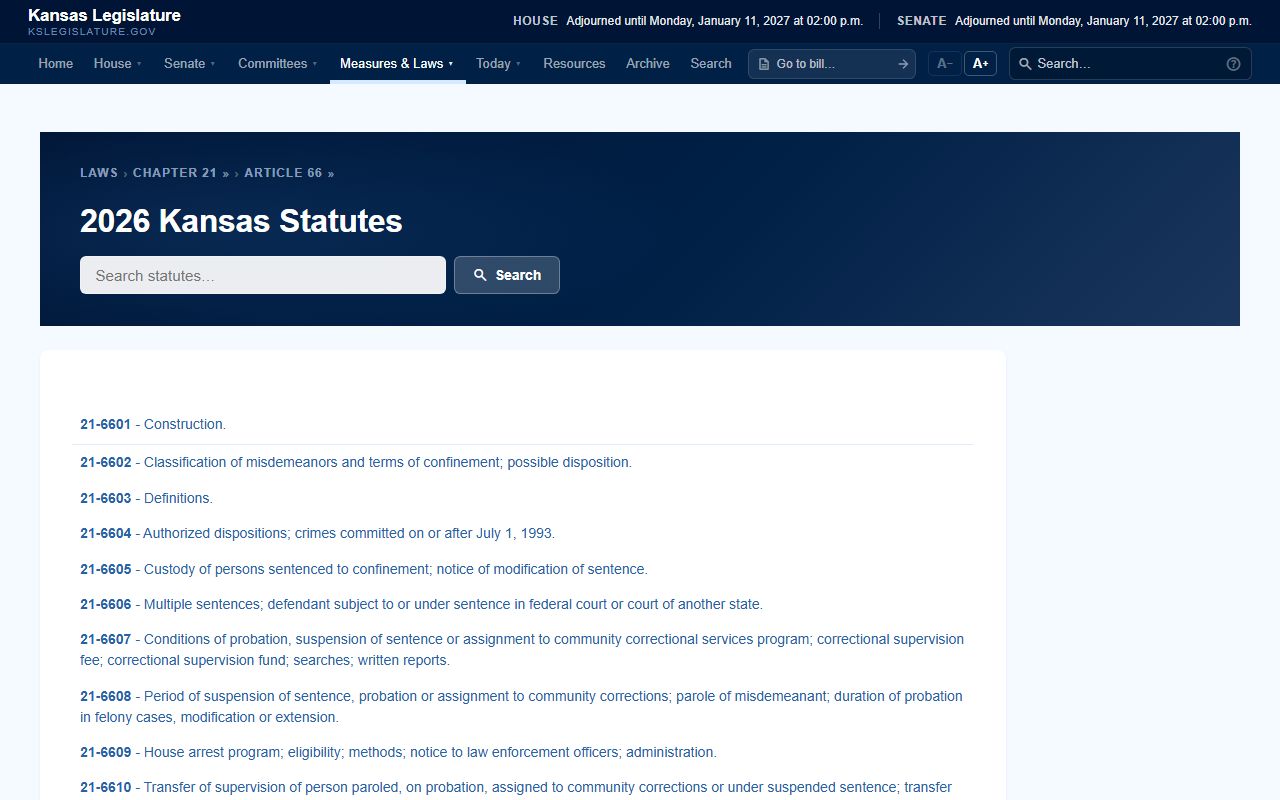
For Harper County criminal court records, sentencing and expungement rules affect what an older case may show and whether public access can later be limited.
What Harper County Criminal Records Show
The court file is a field-by-field history of the case. It may show more than one charge, and each charge can have its own status. A case might include an original complaint, an amended complaint or information, plea entries, motions, bond orders, warrant returns if public, hearing minutes, journal entries, sentence, and probation terms. Financial fields can include costs, fines, restitution, and bond details. Some fields may be withheld or redacted by law.
| Field | What It Shows |
|---|---|
| Case number | The official court identifier for the criminal case. |
| Defendant | The person charged in the criminal case. |
| State | The prosecution party in a Kansas criminal case. |
| Charges | The filed counts, statutory references, severity, and current charge status if displayed. |
| Bond | Release terms, bond amount, or bond-related orders if public. |
| Hearings | Appearances, arraignment, motion settings, plea settings, trial dates, sentencing, and continuances. |
| Disposition | The result for the case or count, such as dismissed, convicted, acquitted, amended, or diverted. |
| Sentence | Jail, prison, probation, fines, costs, restitution, and other court-ordered conditions. |
Harper County Criminal Diversion
The Harper County Attorney is the local prosecutor. The county page names County Attorney Brandon Ritcha, support staff Amy Pollard-Meek and Jana Cashier, and lists the office on the fourth floor of the courthouse in Anthony. The office email is countyatty@harpercountyks.gov and the phone is 620-842-6070. The prosecutor decides what criminal charges to file after arrest or investigation, subject to the facts, law, evidence, and court process.
Harper County's County Attorney page states that the office offers DUI and criminal diversion programs. Diversion is not the same as a conviction. It is an agreement that may let an eligible person complete terms set by the prosecutor instead of moving through ordinary conviction and sentencing. The County Attorney's page says to contact that office for qualification, costs, criteria, obligations, effects of the agreement, and other diversion terms. If diversion is completed or revoked, the court record may show case events that need careful reading.
Harper County Charges vs Convictions
A charge is an accusation filed in court. A conviction is a finding or plea of guilt. Harper County criminal court records may include charges that were amended, reduced, dismissed, diverted, or resolved without a conviction. The distinction is essential when reading a court file or when comparing a court case to a KBI criminal history report.
| Charge | Conviction | |
|---|---|---|
| Meaning | An allegation filed by the prosecutor or initiating authority. | A guilty plea, verdict, or finding accepted by the court. |
| Timing | Appears near the beginning or after amendment. | Appears after plea, trial, or other adjudication. |
| Record risk | May remain visible even if dismissed unless restricted by law or order. | May lead to sentencing, probation, costs, restitution, or expungement eligibility later. |
| Reading rule | Check current status and disposition for each count. | Read sentence and final journal entry for the legal outcome. |
KBI vs Harper County Criminal Records
The KBI Criminal History Record Search is not the same as a Harper County criminal court record. KBI criminal history is a statewide repository search with a documented $30 purchase price through Kansas.gov. It can draw from repository data beyond one county case file. A court case file, by contrast, is the docket and filed papers in a specific court case. Differences can occur because each system has its own source, update timing, scope, and disclosure rules.
Use the court file for the procedural history and court orders in a Harper County case. Use the KBI route when the purpose is an official Kansas criminal history search. Neither path should be treated as a substitute for a certified court order when a court, licensing agency, employer process, or legal proceeding requires certified proof of disposition.
Sealed vs Expunged Criminal Records
Kansas law and court rules can limit public access to criminal records. A sealed record is closed to public inspection by statute, rule, or court order. An expunged record has public access limited under Kansas expungement law, but certain agencies or uses may still have access. Harper County criminal court records involving juveniles, sealed cases, expunged matters, and sensitive details may not appear in public CaseSearch results.
| Sealed | Expunged | |
|---|---|---|
| Public visibility | Closed or limited by rule, statute, or court order. | Public access is limited after a granted expungement order. |
| How it occurs | By law or judge's sealing order. | Usually by petition in the court where the case occurred. |
| Kansas anchor | Rule 22, Rule 106B, and case-specific confidentiality rules. | K.S.A. 21-6614 covers certain convictions, arrest records, and diversion agreements. |
| Practical result | The public may see less detail or no case at all. | Government access may remain for specific law, licensing, court, or criminal justice uses. |
Note: Expungement limits public access, but it does not erase every government use of the record.
Harper County Criminal Record Access Rules
Harper County criminal court records are public only to the extent Kansas law and court rules allow. The Kansas Open Records Act provides the public-records framework, while Kansas Supreme Court Rule 22 and Rule 106B control electronic court-record access. Criminal investigation records may be exempt under KORA. Court records can also be restricted when a judge seals them or when a statute protects the case type.
The Kansas juvenile offender records article is the official source for juvenile expungement and confidentiality limits cited in the research.
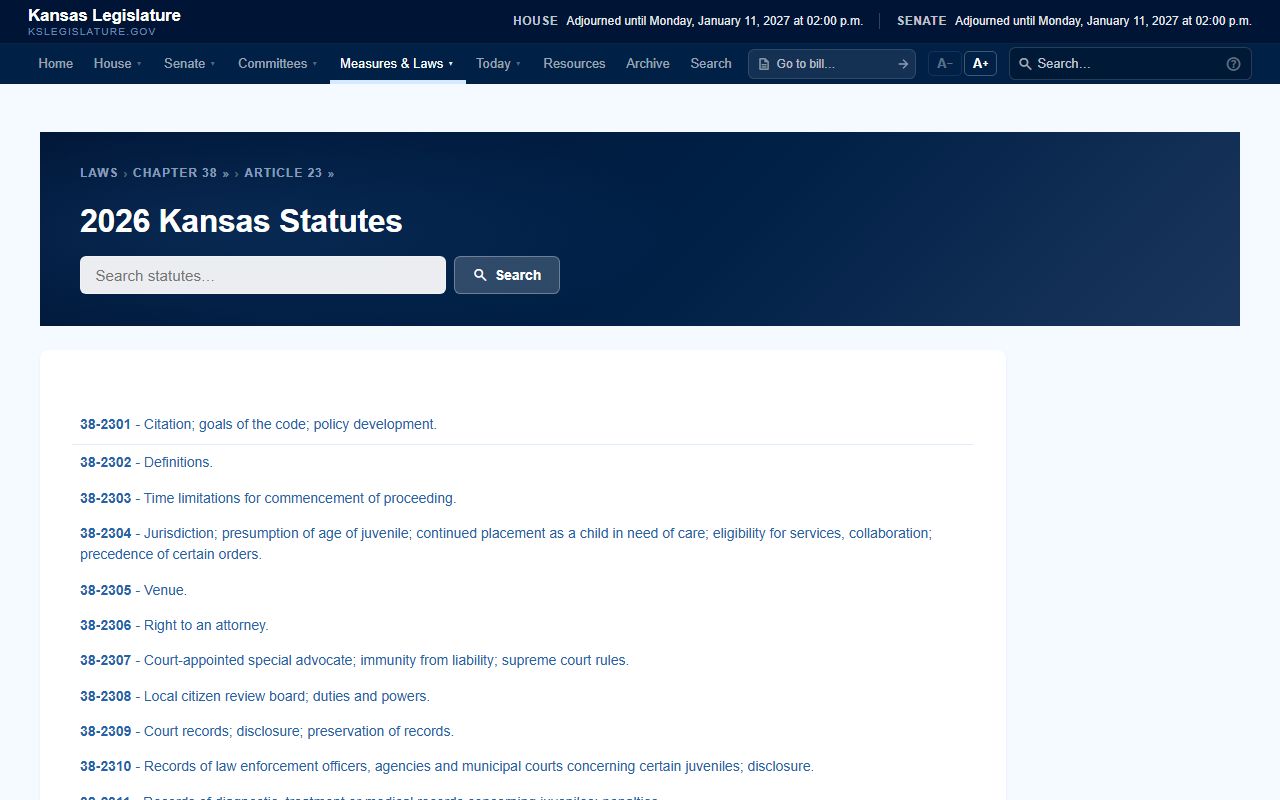
For Harper County criminal case searches, juvenile restrictions mean a missing public result does not prove that no juvenile matter exists.
K.S.A. 38-2312 addresses juvenile record expungement. Juvenile offender and child-in-need-of-care records are not ordinary public portal material. Adult criminal cases are more often public, but public access can still be limited by sealed entries, expungement, redaction, witness safety concerns, or confidential exhibits.
The Kansas Open Records Act source supports the broader public-records framework for Kansas records.
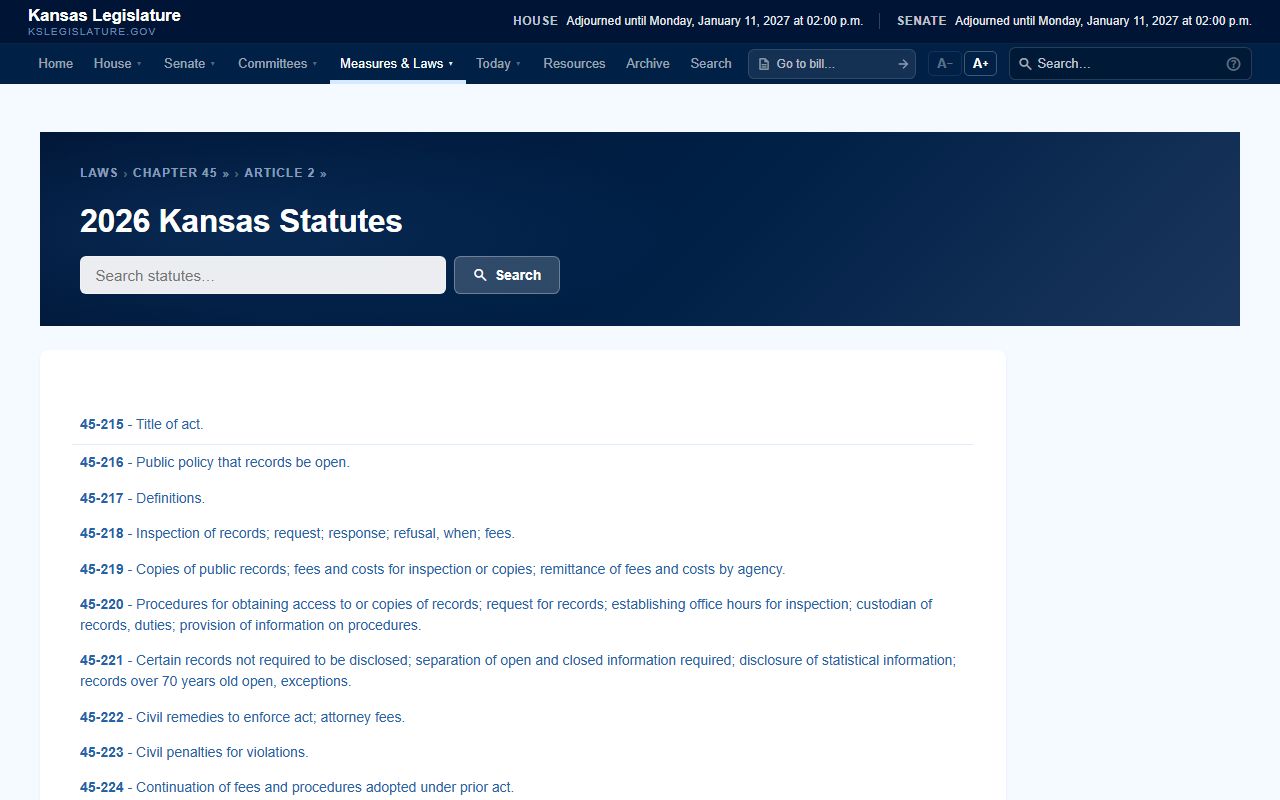
That open-records framework does not override the court rules and statutes that restrict specific Harper County criminal court records.
Restricted Harper County Criminal Records
Restricted criminal court records include sealed cases, expunged cases, juvenile matters, certain domestic or protection-related criminal material, medical or treatment information, minor identifiers, and records closed by court order. Search warrants and active law-enforcement details may also be sealed or exempt, especially while an investigation is pending. Public terminals and public portals do not display every record held by the court.
When access is denied or limited, the next step depends on who is asking and why. A party, attorney, agency, or person with a court order may have access that the general public does not. Harper County District Court can identify the request path for copies or access, but court staff cannot turn confidential records into public records without the required legal authority.